Research-led
Objects are approached through observation, documentation, provenance, and the limits of what can be responsibly stated.
Junita Arneld is an Indonesian researcher, collector, photographer, and lifelong learner. Her work grows from looking closely: in the field, through the camera, and through the patient study of Indonesian material heritage.
The JAM ART was created to give objects, images, and notes a clear place: not as decoration alone, but as evidence of use, memory, skill, place, and human connection.
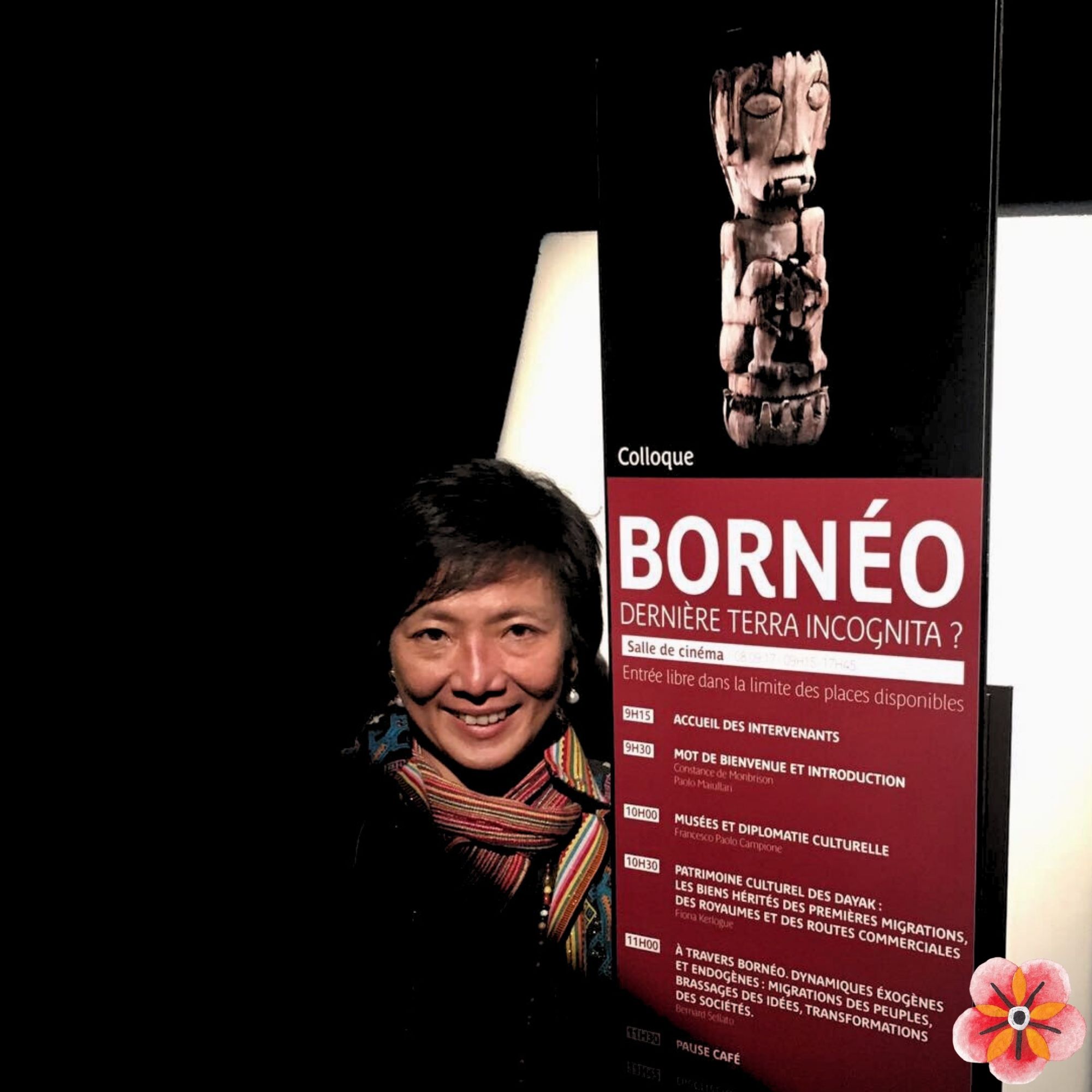
Objects are approached through observation, documentation, provenance, and the limits of what can be responsibly stated.
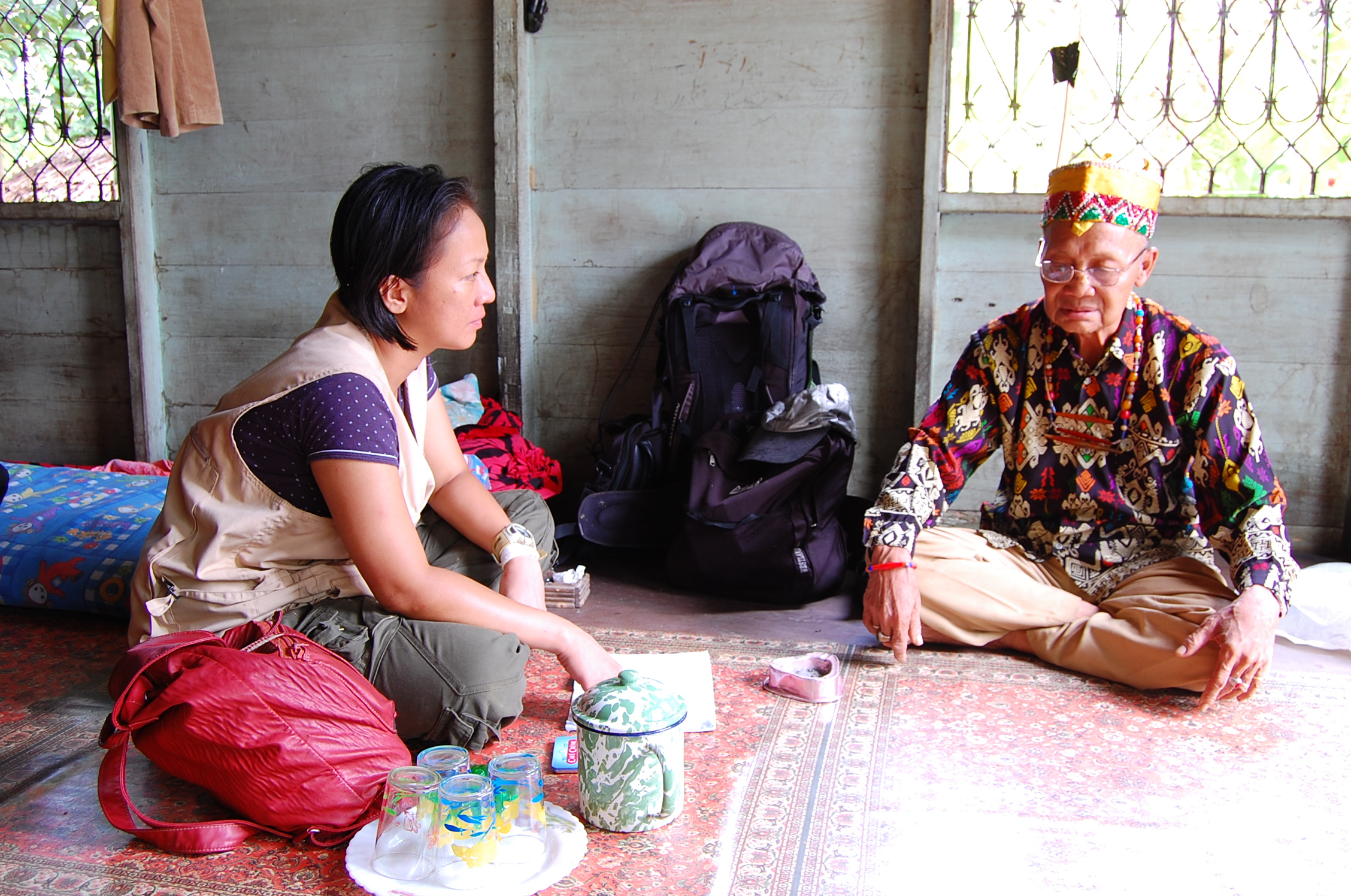
Photography is used as a form of attention: to see form clearly while keeping the surrounding context visible.
Study, collecting, and inquiry are handled discreetly, without loud claims or simplified cultural language.
Junita Arneld works across anthropology, history, photography, and the study of material culture. Her approach is grounded in observation, field notes, museum experience, and close attention to the life of objects.
She looks at how objects are made, used, kept, moved, and displayed — and how their meaning can change without disappearing.
The JAM ART was created to give objects, images, and notes a clear place — not as display pieces alone, but as traces of use, skill, place, memory, and continuity of practice.
The object is given visual space. No text is placed over images, and no loud graphic treatment competes with the form.
Description stays close to what can be seen, documented, measured, or responsibly connected to context.
Confirmed details are not mixed with assumption. Unverified claims are avoided rather than made persuasive.
Objects are presented as part of wider worlds: daily life, ritual practice, technical skill, memory, and transmission.
Essays, notes, and museum-related work support a slower reading of Indonesian material heritage.
Availability and practical details are discussed directly and calmly, after the object has been understood in context.
The platform brings together objects, field photography, and writing. Its focus is especially strong around Borneo and eastern Indonesia, while remaining open to wider Indonesian material and visual worlds.
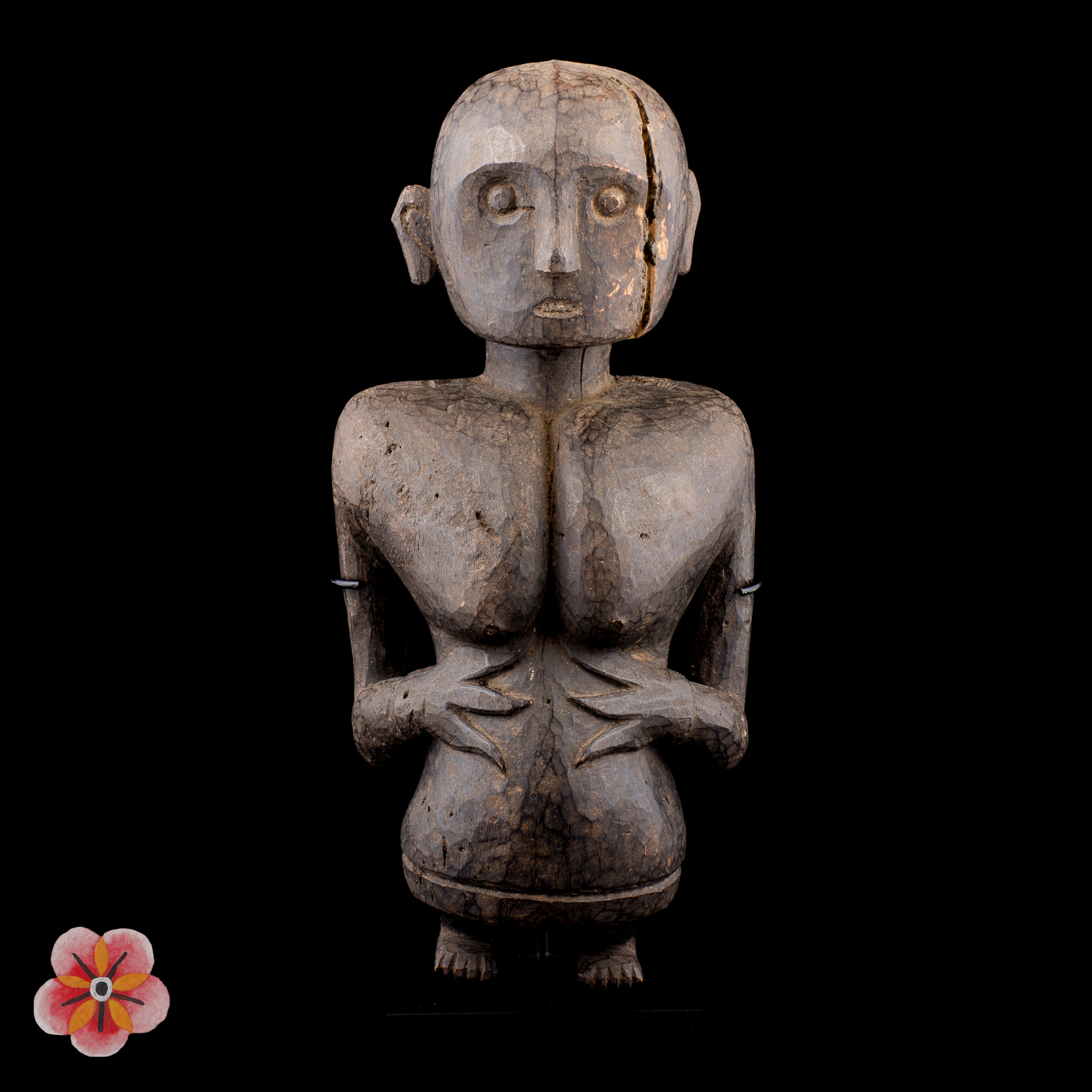
Textiles, sculpture, amulets, architectural elements, masks, ritual forms, and daily-use objects.
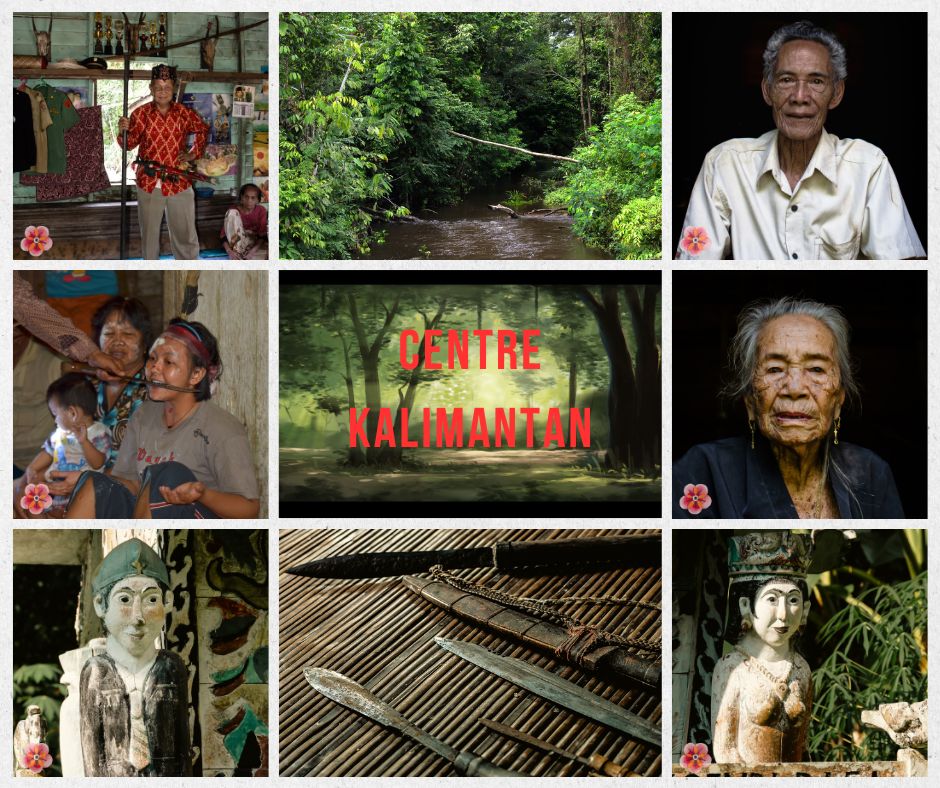
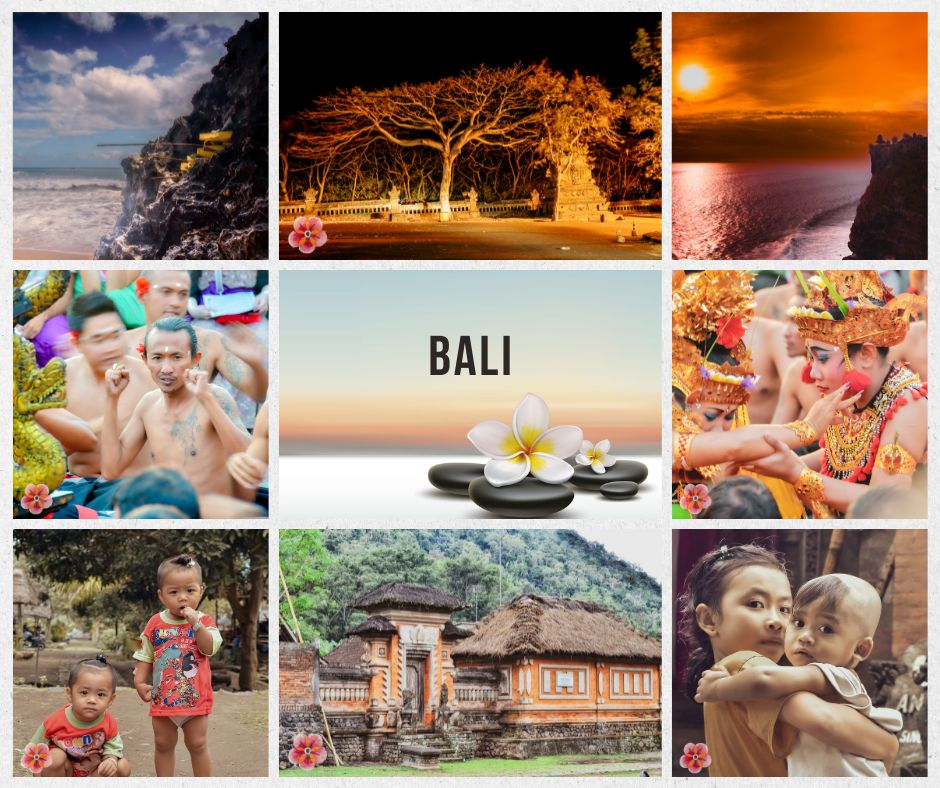
Field photography from places, communities, landscapes, ritual cycles, and material culture in use.
Published work, essays, and notes connected to research, museums, and cultural continuity.
The JAM ART is designed for people who want to look carefully: scholars, curators, collectors, students, and visitors who approach Indonesian material heritage with respect.
The JAM ART follows material culture across different Indonesian regions, with attention to local practice and the movement of objects between use, memory, collection, and public presentation.
Contact The JAM ART for questions about objects, documentation, published work, field photography, or availability. The conversation begins with context before practical arrangements.