Place before spectacle
Images remain close to their setting: landscape, light, movement, work, and local presence.
EthnoScapes gathers field photographs by Junita Arneld from Indonesian regions, communities, landscapes, markets, ritual spaces, and material culture in use.
The photographs are not presented as travel decoration. They are visual notes: quiet records of place, movement, work, memory, and cultural continuity.
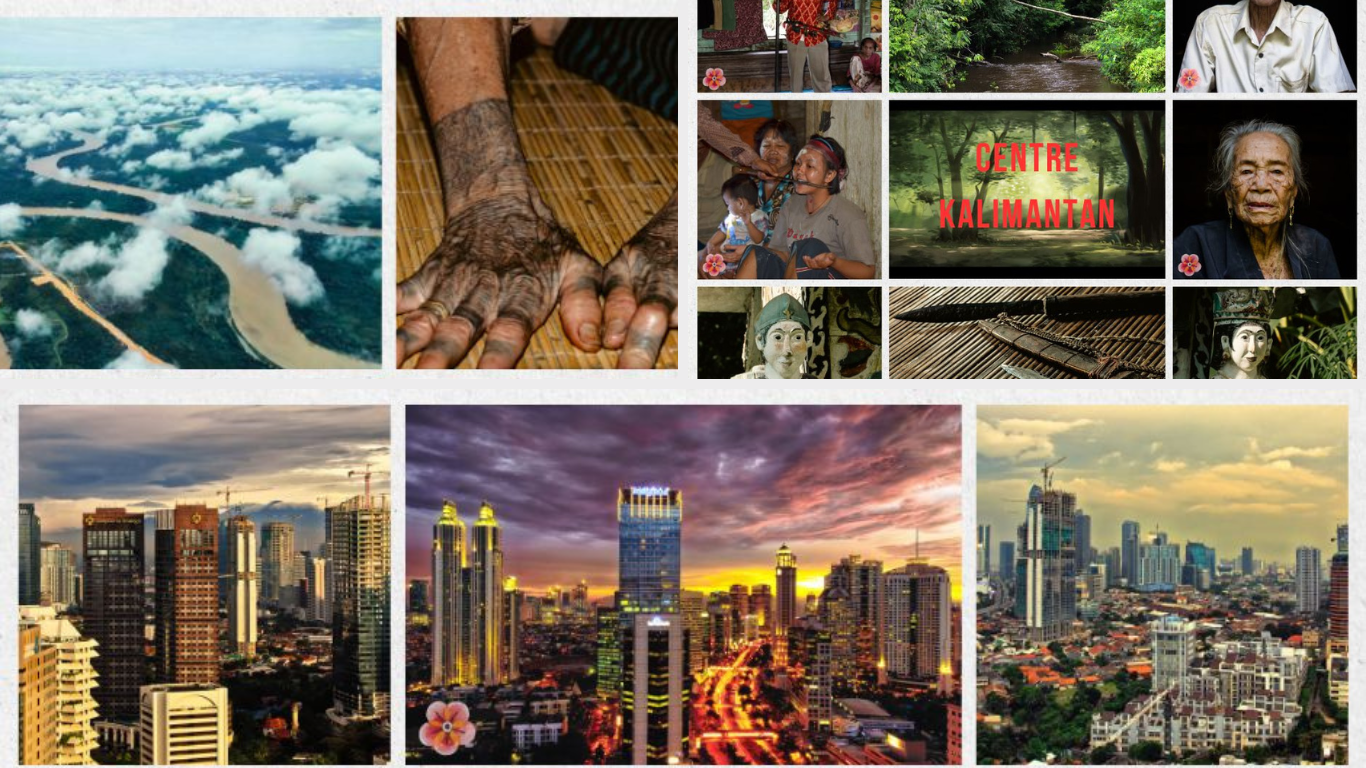
Images remain close to their setting: landscape, light, movement, work, and local presence.
Portraits and scenes are presented without exotic language or exaggerated claims.
Photography supports research, memory, and the careful reading of material culture in use.
Each region opens a visual section. The pages keep text separate from images and use photographs as evidence of place, not as background decoration.
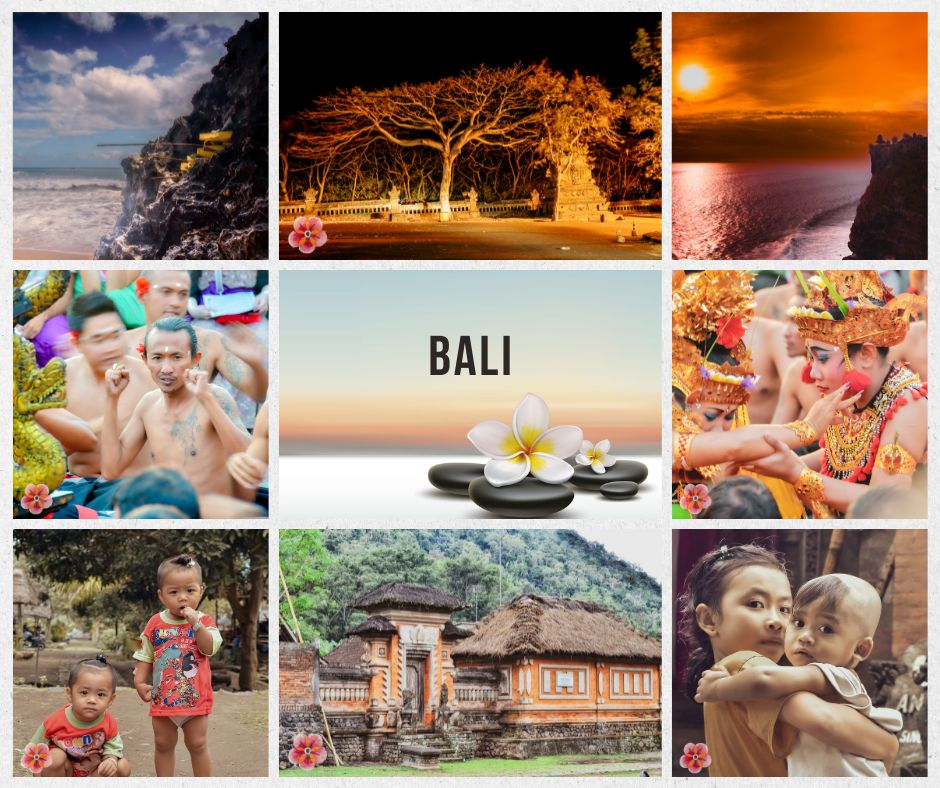
Ritual cycles, performance, domestic presence, and landscape.
Open region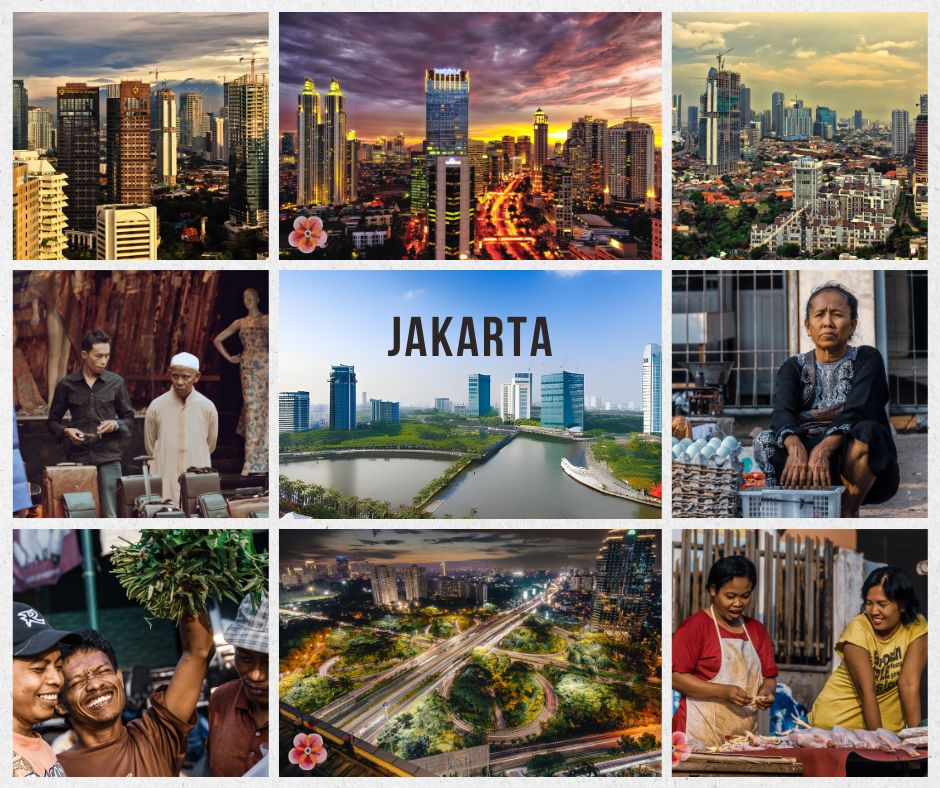
Urban layers, daily life, memory, and modern movement.
Open region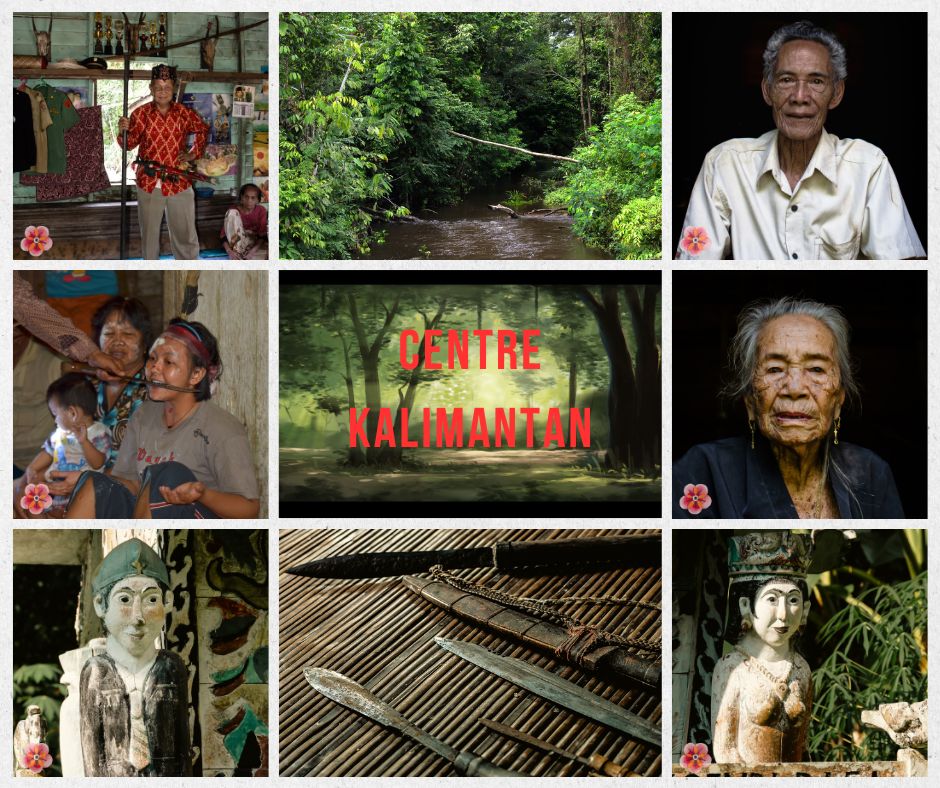
Ancestral culture, rivers, ritual space, and field documentation.
Open region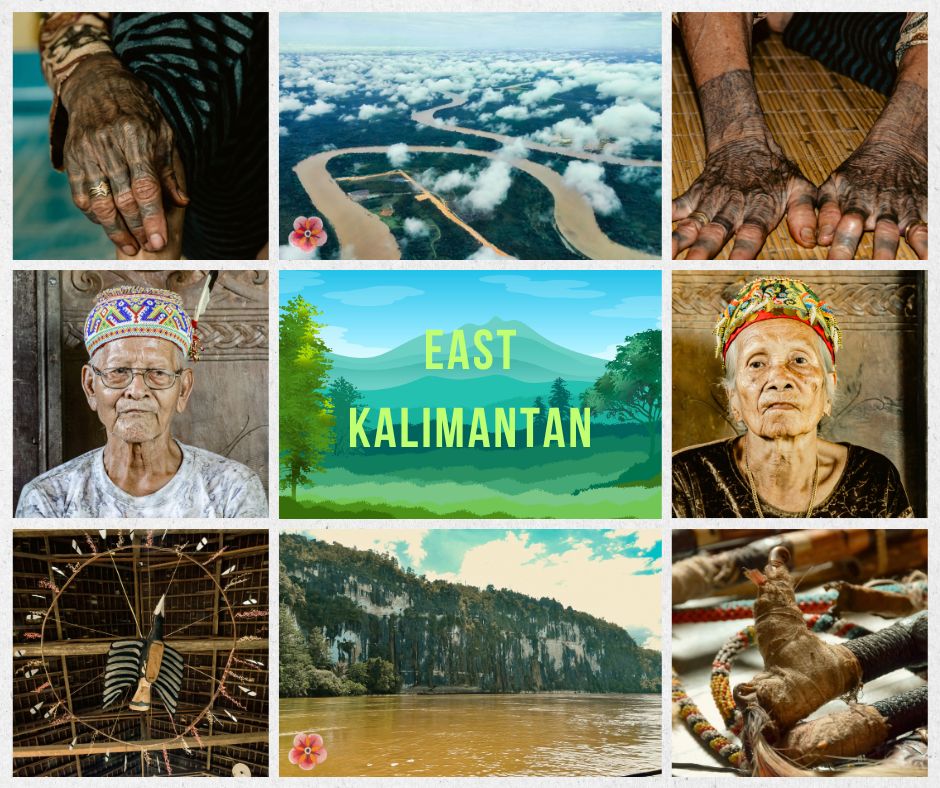
People, forests, carved forms, and material worlds in use.
Open region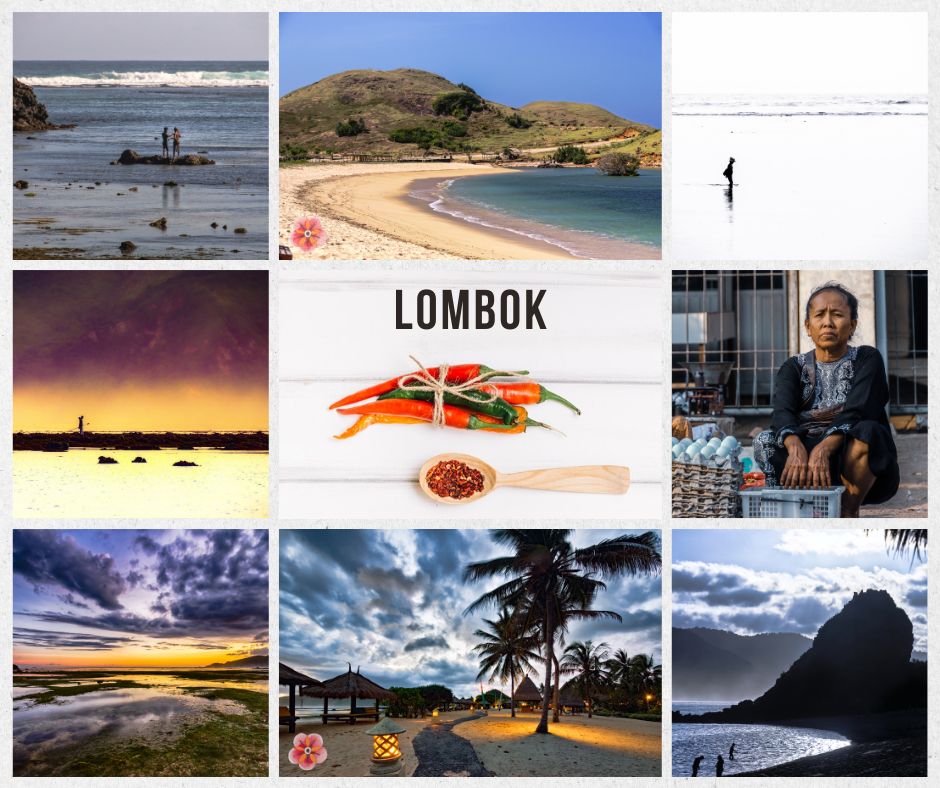
Coastal landscape, local narratives, and island continuity.
Open region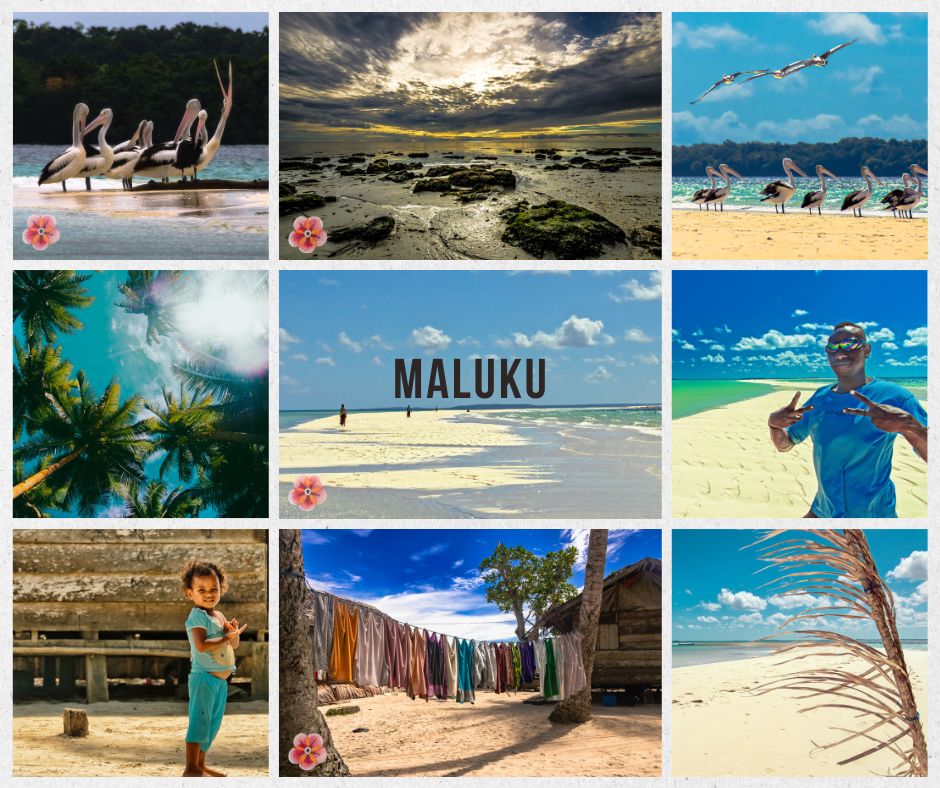
Island routes, sea presence, and communities across Ambon, Kei, and Aru.
Open region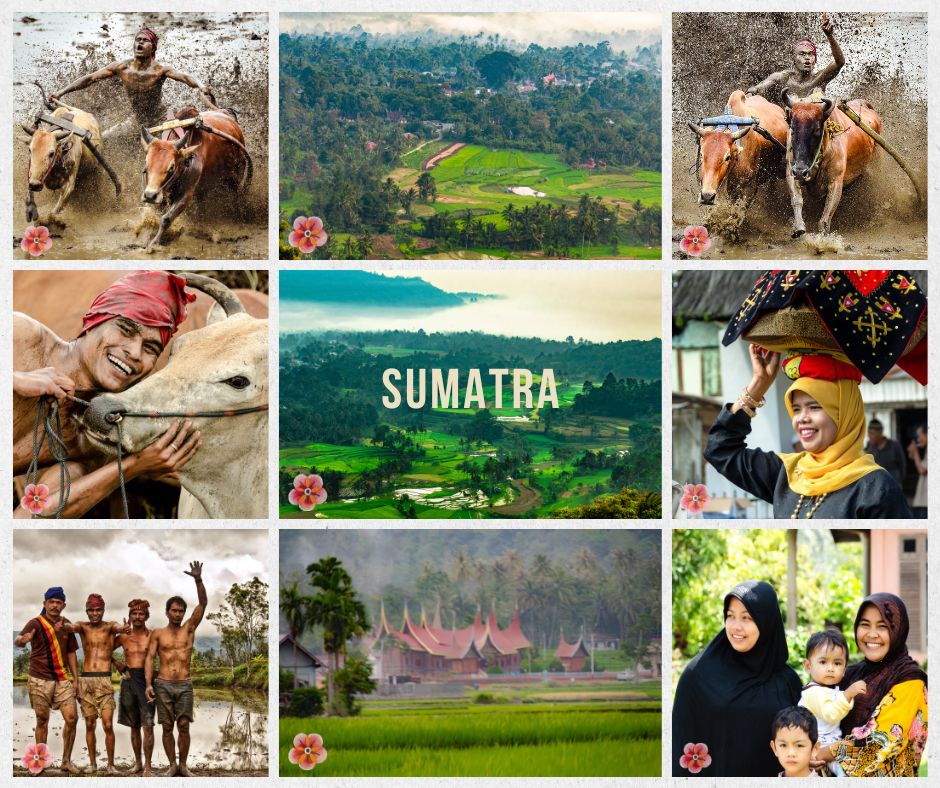
Portraits, markets, movement, and the Pacu Jawi visual record.
Open region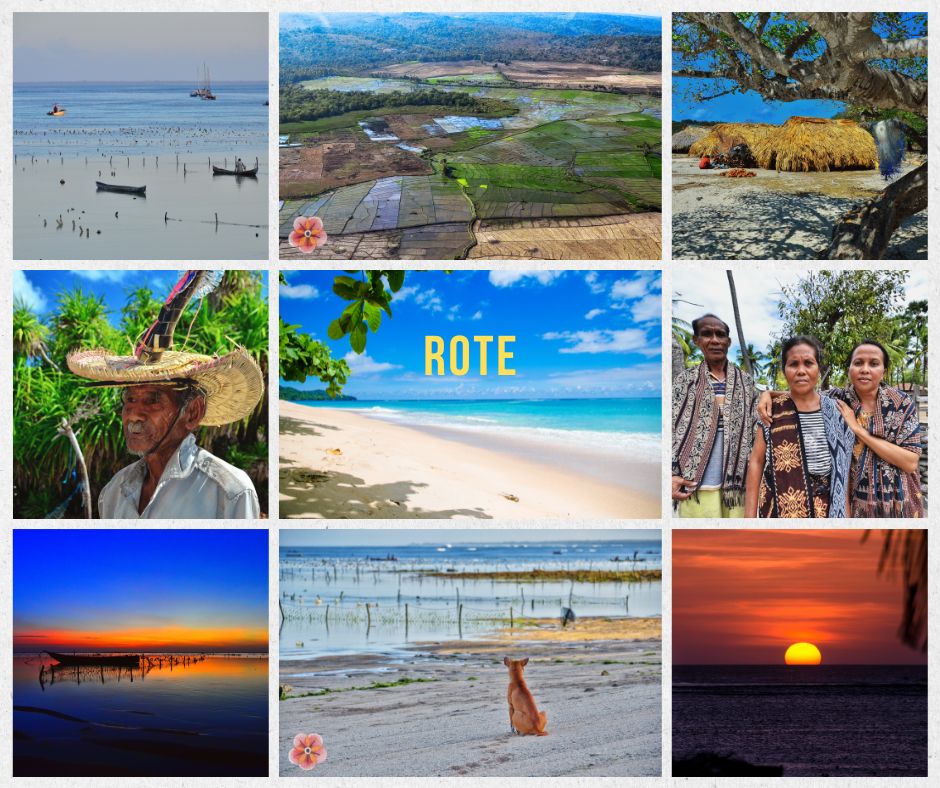
Seaweed work, coastal space, and everyday island economies.
Open region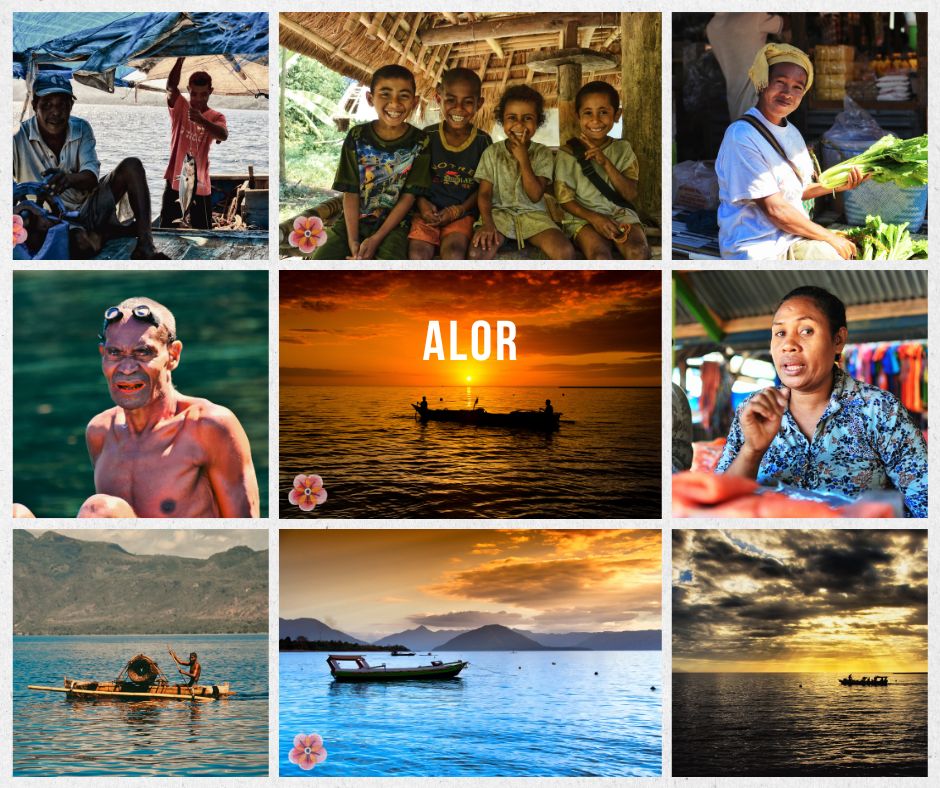
Mountain, sea, weaving, and village encounters.
Open region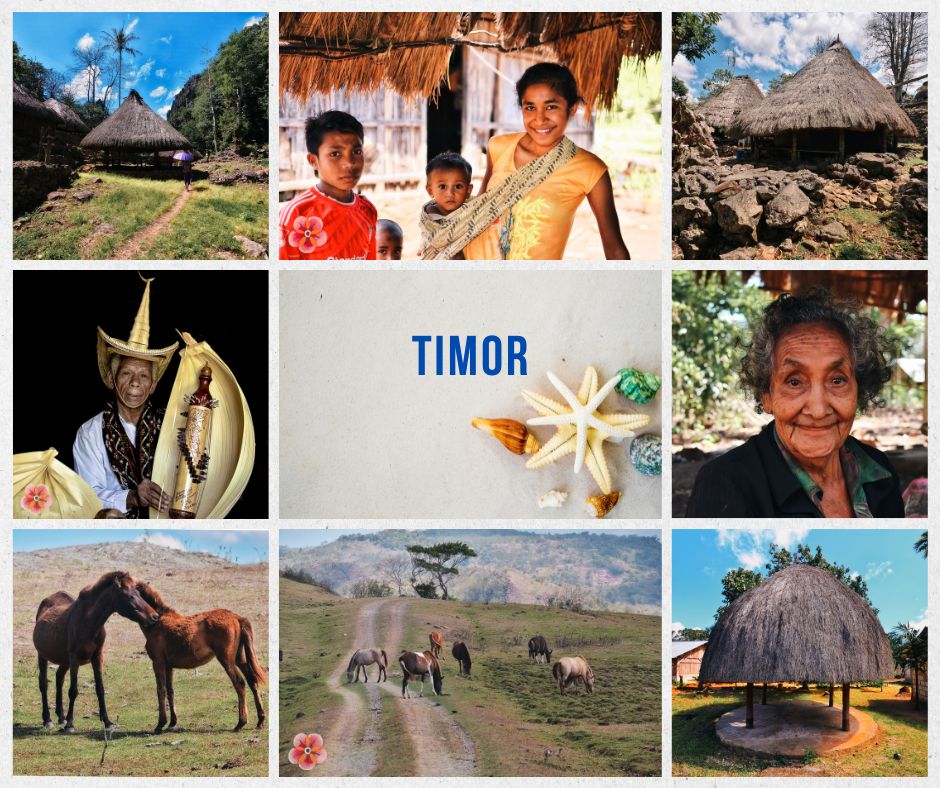
Textiles, rural life, landscape, and continuity of practice.
Open region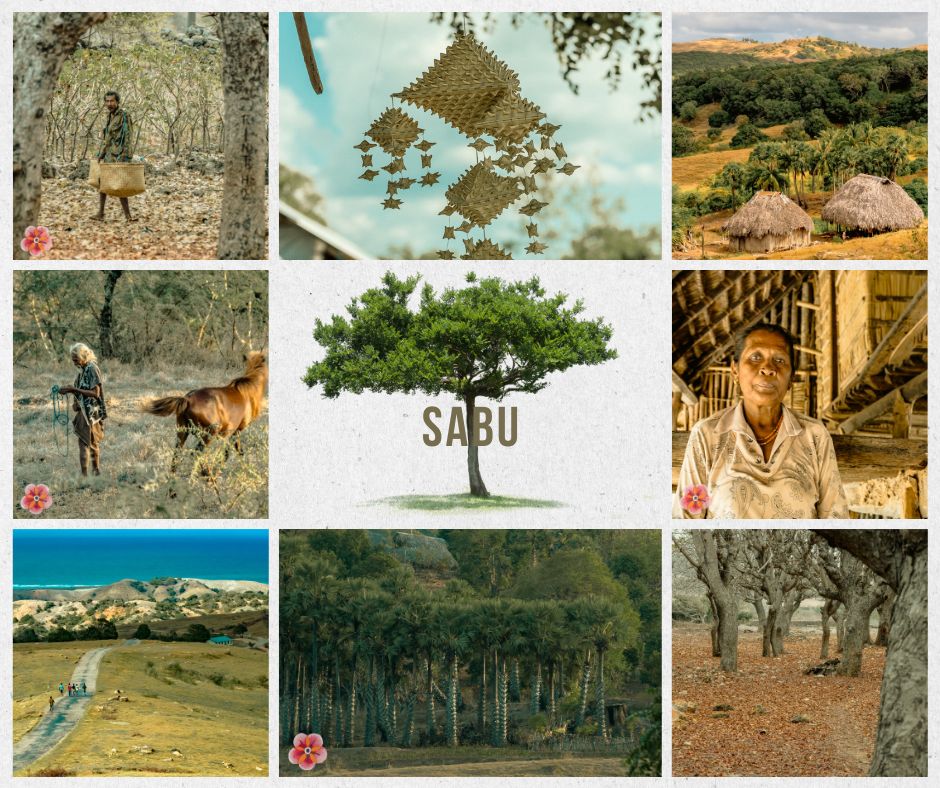
Dry island landscape, resilience, weaving, and social memory.
Open regionEthnoScapes follows the same principle as the collection pages: image first, context second, claim last. Photographs are treated as working material for study, memory, and comparison.
Photographs are connected to the lived environment where objects, dress, work, ritual, and daily rhythm appear together.
Material culture is photographed alongside gesture, space, and practice, not isolated from the people who carry it.
Where cultural interpretation is not verified, the page keeps the description close to what is visible and documented.
Some EthnoScapes sections follow public events and movement, including the Pacu Jawi visual record from Sumatra. Others stay with quieter material: coastlines, houses, fields, markets, and daily forms of work.
For image licensing, publication, exhibition use, or research questions, contact The JAM ART with the region, intended use, and requested image reference when available.