Place
Sabu is approached through landscape, people, objects, and daily situations.
Dry landscapes, people, horses, and island resilience.
Sabu is presented through dry landscape, village life, people, horses, and older traces of island memory. The photographs give attention to climate, terrain, and daily presence.
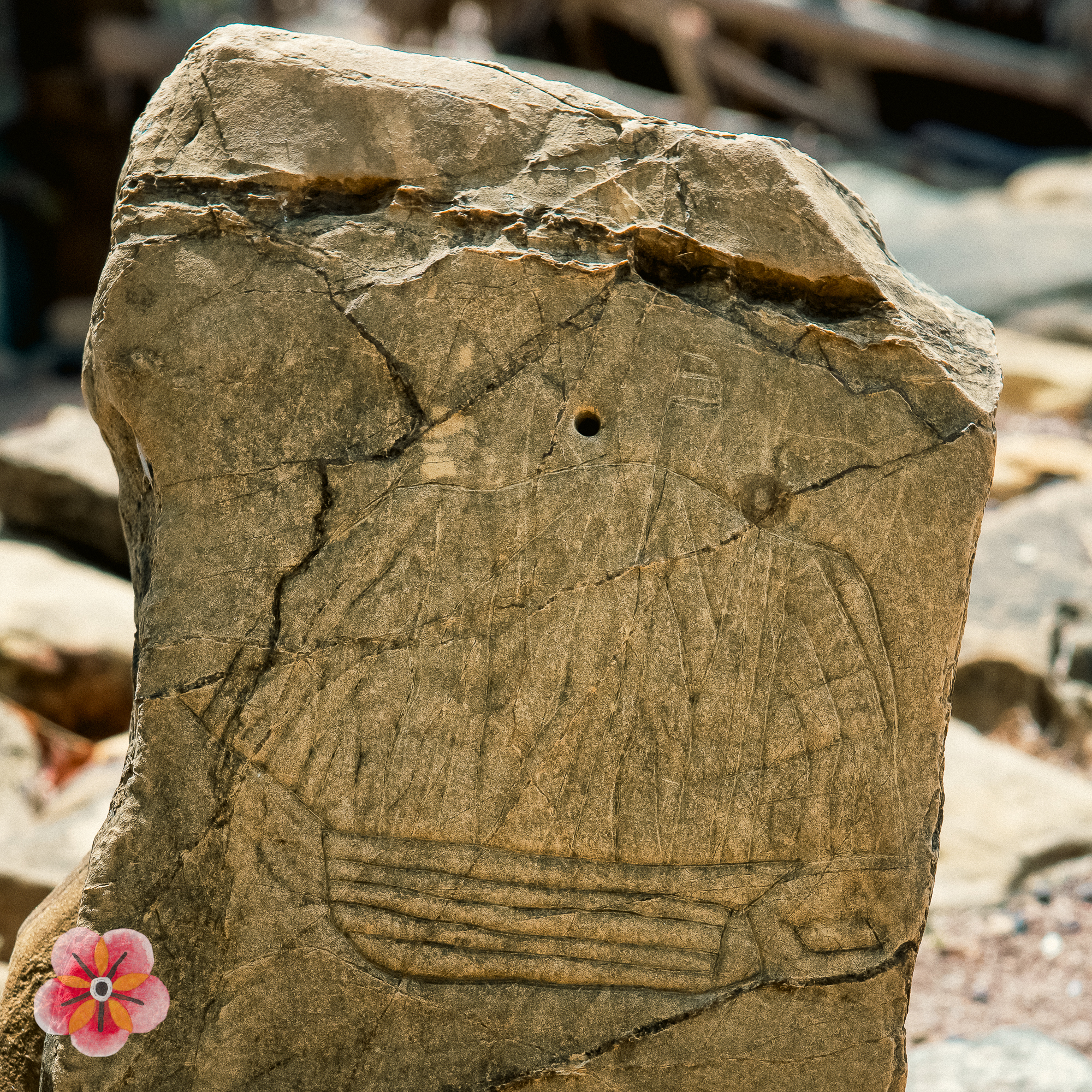
Sabu is approached through landscape, people, objects, and daily situations.
Images are presented as field notes, not as decorative backgrounds or travel claims.
Tap an image to enlarge it. Text remains separate from photographs for clearer reading.
The page is organised in smaller visual groups so it remains readable on a phone.
Images are loaded lazily and arranged in a compact grid for smartphone viewing. Full-size viewing opens only when an image is selected.
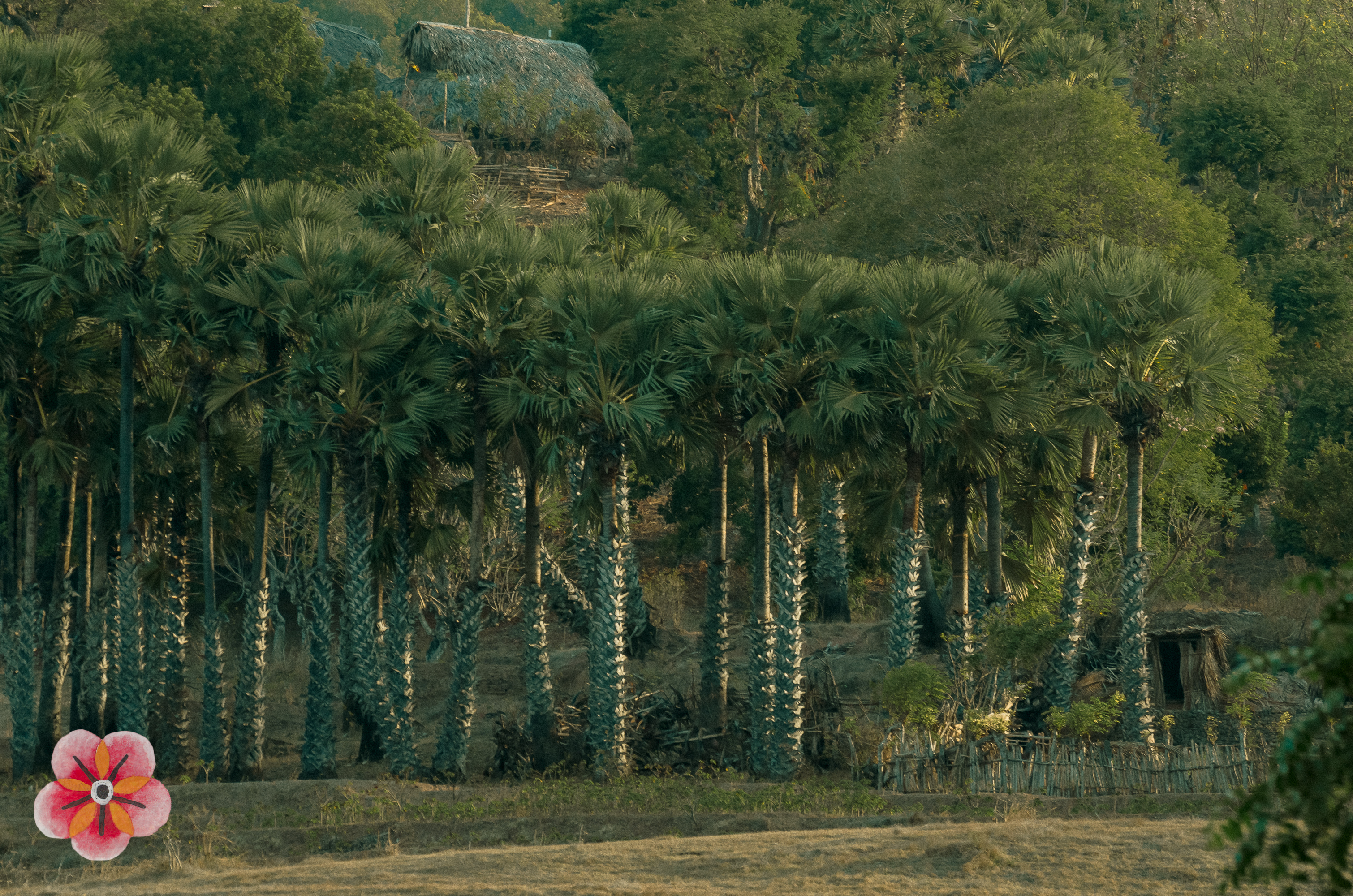
Photographs of Sabu’s open landscape, dry areas, paths, and spatial rhythm. The section reads the landscape through use, movement, and memory.
Images of people, places, and stone markers, including references to external historical contact. The section is kept as visual documentation, not as legend-making.
For image licensing, publication, exhibition use, or research questions, contact The JAM ART with the region, intended use, and requested image reference when available.